Charting the Journey of Welcome Bonuses Into Recurring Matched Bets Across Betting Platforms
Olivia Lange · Nov 7, 2026

Charting the Journey of Welcome Bonuses Into Recurring Matched Bets Across Betting Platforms
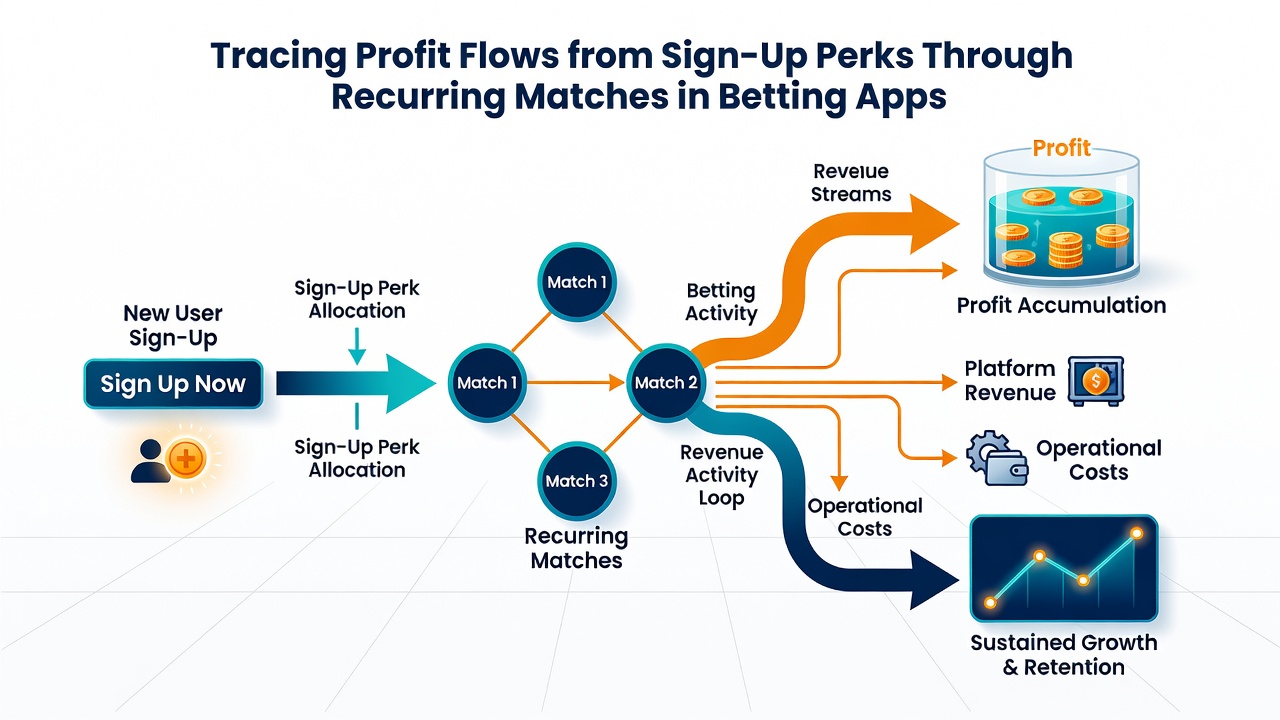
Sign-up perks in betting apps typically arrive as free bets or deposit matches that users convert through paired wagers on opposing outcomes, and observers note these initial credits often seed longer sequences when apps layer in reload offers or loyalty multipliers. Data from industry tracking shows many platforms structure these bonuses with minimum odds requirements and expiration windows that guide how the value moves from one cycle to the next. Researchers at academic institutions have documented the way stake amounts and liability calculations determine the retained portion after each matched pair completes.
Initial Conversion Mechanics
Users receive the sign-up credit and place it on a selected market while simultaneously laying the same selection on an exchange platform, and this dual action locks in a small margin once both sides settle. The flow continues when the qualifying stake returns a free bet token that apps credit automatically within twenty-four hours in most documented cases. Studies from university gambling research groups indicate that payout timing and bonus release rules vary by jurisdiction yet follow similar patterns of stake-through thresholds before users access the next layer.
Recurring Match Cycles in Mobile Environments
Once the first free bet converts, many apps introduce recurring deposit boosts or cashback percentages that users can route through additional matched positions, and figures from platform analytics reveal these secondary offers often carry lower percentage values but appear more frequently. The profit path branches when users meet volume targets that unlock higher tiers, such as weekly reloads tied to prior activity levels. Those who track these sequences report that the cumulative margin compounds when each cycle reuses portions of prior returns without additional outlay.
App-Specific Variables Affecting Flow
Mobile interfaces display real-time odds adjustments and push notifications for time-limited matches, which influence how quickly a user can cycle a bonus into the next position, whereas desktop versions may present more detailed liability calculators. Data collected across regions shows Australian operators, for instance, tend to emphasize in-app loyalty points that convert back into betting credits at fixed rates, while North American state-regulated apps highlight parlay insurance features that extend the same initial credit across multiple events. The European Gaming and Betting Association has published summaries noting that cross-border users encounter different tax treatments on winnings derived from these chained bonuses.
Documentation and Tracking Practices
Spreadsheets and dedicated software log each bonus receipt, stake placement, and return amount so that net position remains visible after several cycles, and accounting records from frequent participants demonstrate that small percentage edges accumulate when liability is recalculated at every step. November 2026 updates to certain apps introduced enhanced transaction histories that automatically categorize bonus-derived stakes separately from cash funds, which simplifies later reconciliation. Observers note that accurate logging prevents overexposure when users move between multiple operators offering overlapping reload windows.
Regulatory filings from bodies such as the Pennsylvania Gaming Control Board record how operators must disclose bonus terms that affect these profit pathways, ensuring users receive clear information on rollover conditions before funds become withdrawable. Similar disclosures appear in reports from Canadian provincial regulators that track mobile app activity across provinces.
Conclusion
The movement of value from an opening sign-up perk through repeated matched positions follows predictable routes shaped by app rules, market conditions, and user tracking methods, and available figures confirm that each completed cycle reduces the original credit while adding to realized returns when both sides of the match resolve. Continued monitoring of platform updates and jurisdictional filings provides the clearest view of how these flows evolve over time.